
What Features Should You Look For in LED Signage for 40–80 ft Yachts?
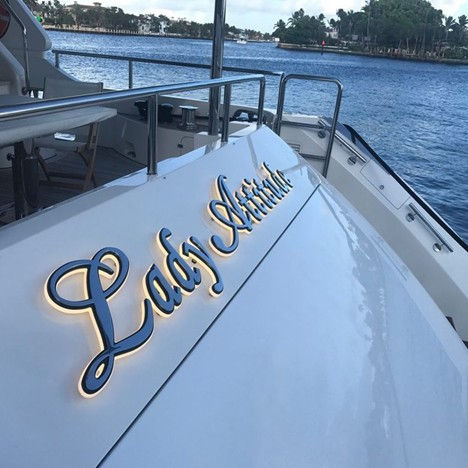
What looks sharp on launch day but still works after seasons of salt, spray, and marina power swings? That is the real test for LED signage on a 40–80 ft yacht. Many owners pick a design first, then discover issues with glare, water ingress, weak fittings, or poor cable routing. The better route starts with engineering, then styling.
If you are comparing yacht signs, focus on systems built for marine duty, not shop-front lighting adapted for boats. Your transom sign must hold form, hold finish, and hold output while the vessel moves, vibrates, and sits in full sun. Use this structured approach to break the decision into practical checks so you can choose once and choose right.
Key Features That Define Reliable LED Signage for 40–80 Ft Yachts
Use this simple EBBA flow while you shortlist suppliers:
Evidence: Ask for material grades, ingress ratings, driver details, and fabrication method.
Benefit: Map each spec to owner comfort, lower service calls, and clean night visibility.
Bridge: Compare two or three proposals on the same checklist.
Action: Approve only after layout preview, wiring plan, and mounting plan.
That process saves time and protects the budget.
Marine-Grade Materials Built for Saltwater Conditions
Material choice decides lifespan. The finish choice decides how long it keeps looking clean.
What to check:
316L stainless steel for face letters and trims
UV-stable acrylic for lit cores and backing
Marine sealants that resist heat and salt exposure
Edge finishing quality, since rough edges trap salt residue
Thickness matched to letter size and mounting location
Also check how the sign maker isolates mixed metals. Galvanic contact can stain fittings and damage appearance over time. A good supplier plans this from day one.
Waterproof LED Systems and Sealed Driver Boxes
Most failures start in power components, not letter faces.
Ask these direct questions:
Do modules use marine-rated sealing and cable glands?
Is the driver box sealed for spray and humidity?
Does the design include service loops and strain relief?
Does the wiring diagram show fuse position and load path?
You also want stable output at anchor and under generator load. Flicker, dim patches, and colour shift signal poor component matching. We at Nauticalite specify sealed driver housings and marine-rated fixings so owners avoid repeat call-outs.
Proper Illumination for Visibility Without Glare
Brightness alone does not solve visibility. Light spreads and controls matter more.
Lighting Choice | Best Use on 40–80 ft Yachts | What to Watch |
Warm white LED | Classic hull lines, understated night look | Can look soft in very bright marina zones |
Neutral white LED | Balanced readability for most transoms | Needs good diffusion to avoid hotspots |
RGB programmable LED | Event mode, owner preference, charter styling | Requires disciplined control setup |
Dimmable system | Late-night docking and marina etiquette | Check controller quality and fail-safe mode |
Use consistent diffusion so letters glow as one set, not as separate points. Good output should stay legible from aft approach without harsh glare across the quay.
Secure Mounting and Vibration Resistance
A clean sign can still fail if the mount system is weak. Movement at sea tests every fixing.
Prioritise:
Mechanical fixing design matched to hull structure
Correct stand-off distance for airflow and heat release
Backing templates that follow transom curvature
Cable entry points with proper chafe protection
Access plan for future inspection
We plan mounting hardware around vessel use profile, marina berth style, and access space. That reduces post-fit adjustments.
Custom Fit and Precision Fabrication
Good signage must look integrated with the yacht, not placed on top of it.
Look for:
CNC-cut accuracy for letter edges and spacing
Digital mock-up on your vessel photos
Curvature mapping for transom fit
Stroke width and font selection based on viewing distance
Alignment checks before fabrication start
If a supplier skips digital preview, you carry the risk. Precision work starts before cutting metal.
Serviceability and Long-Term Maintenance Planning
Service access protects ownership comfort. You do not want a full strip-down for a minor module fault.
Include these points in your brief:
Replaceable LED modules and clear part references
Wiring labels and route map for technicians
Cleaning guidance for stainless and acrylic surfaces
Warranty terms for electronics and finish
Handover file with install photos and circuit notes
Strong service planning keeps downtime low and protects resale presentation.
How the Right LED Signage Brings Comfort and Long-Term Value
Owners often judge signage by first impression, yet day-to-day comfort comes from consistency. Stable output helps with night approach and berth identification. Quiet operation matters too, since poor power packs can introduce noise and heat stress. Reliable fittings reduce yard visits and avoid sudden cosmetic issues before trips or guest arrivals.
Long-term value comes from three areas:
Presentation: A clean transom identity supports premium perception.
Reliability: Fewer faults mean fewer interruptions and lower service spend.
Transfer appeal: A documented, well-kept sign system supports buyer confidence during resale review.
When we design for this yacht range, we treat signage as part of vessel infrastructure, not a last-minute accessory.
Why Many Yacht Owners Choose Nauticalite
Nauticalite builds custom LED boat names and marine lettering for yachts and superyachts, with design and fabrication centred on vessel use, not retail signage norms. We treat each project as a marine engineering task with a visual result, so fit, output, and durability stay aligned.
Key reasons owners shortlist Nauticalite:
316L stainless steel and UV-stable acrylic options for harsh saltwater exposure
Precision CNC fabrication with digital fit checks for curved transoms
Sealed driver boxes and marine-rated fixings for long service life
Choice of polished, brushed, coloured acrylic, and carbon style finishes
Owner-led design reviews before production starts
Our marine LED systems keep about 90% brightness after 40,000+ hours and often run in the 40 to 50 W range on many mid-size yachts. We work as boaters building for boaters, so we keep communication direct and practical from concept to handover.
Final Considerations Before Ordering LED Yacht Signage
Before you place an order, pause for a final technical check:
Confirm exact transom measurements and cable entry location
Verify voltage, control method, and dimming requirement
Review material samples in daylight and night photos
Approve scaled render with spacing and mount points
Ask for install guide, warranty terms, and parts list
If you follow this sequence, you reduce risk and keep results consistent from launch week to long-term ownership. If you want a sign package mapped to your vessel profile, we can design, build, and deliver yacht signs that match your yacht and your operating reality.
Final Thoughts
For 40–80 ft yachts, the right sign starts with engineering, not only style. Choose marine-grade metals, sealed electronics, clean light spread, and a mounting plan that can handle movement and salt exposure. Those checks keep repairs low and keep your transom identity consistent across seasons. In practice, the best yacht signs are the ones that keep working without constant attention.
At Nauticalite, we build each project around your hull shape, power setup, and operating pattern, then deliver a sign package that fits from day one. If you are planning a refit or a new install, contact us and we will prepare a practical specification and quote for your vessel.
FAQs
1) Do UK marinas restrict coloured LED yacht name lighting?
Many marinas allow it, but berth managers may set brightness and quiet-hours limits. Check local berth terms first.
2) Can I transfer the sign warranty when I sell the yacht?
Some suppliers allow transfer with records. Ask for a written policy before order confirmation and handover.
3) Which power setup works best, DC or AC for LED yacht signs?
Most owners prefer stable DC integration with proper protection. Match driver spec to your electrical plan.
4) How often should I service a marine LED sign system?
Inspect at scheduled washdowns, then complete an electrical and seal check during routine yard periods.
5) Can I control yacht LED signage from onboard automation?
Yes, if the controller protocol matches your system. Confirm integration details before fabrication and wiring lock-in.


Comments